Urban Farming Buffalo: Your Guide to Growing in the City
An independent editorial guide: crops, markets, CSA, and the people who grow in this city.
Buffalo Urban Farm Guide is an independent editorial project about growing food in the city of Buffalo, New York. We write practical guides on vegetables that handle Western New York weather, community supported agriculture, farmers markets, and the skills it takes to farm on a city lot. We do not sell anything and we are not affiliated with any farm, including the previous owners of this domain.
What grows well here
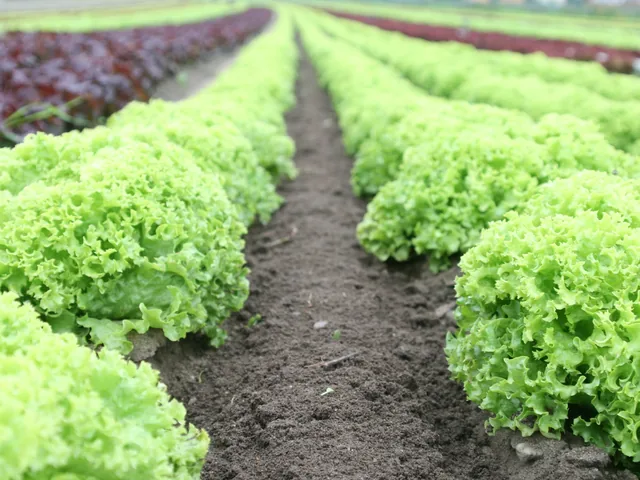
Vegetables and herbs that handle a short season and lake-effect weather.
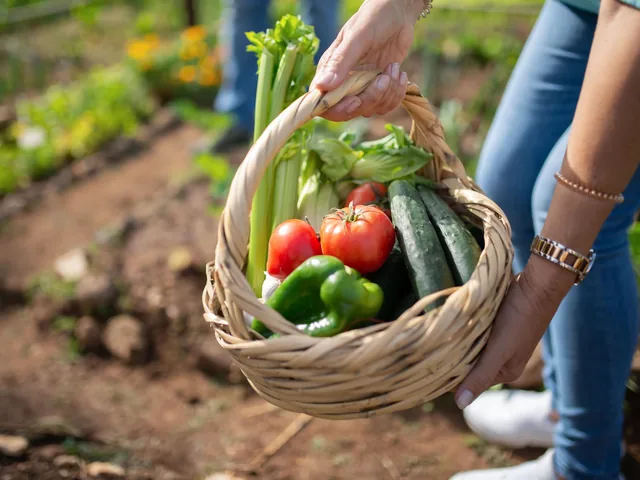
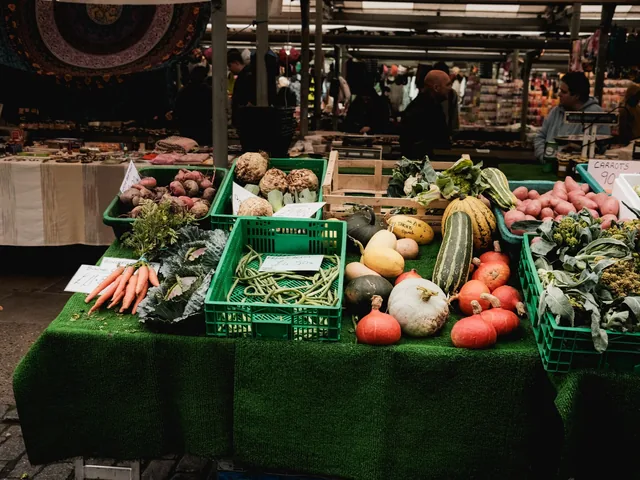
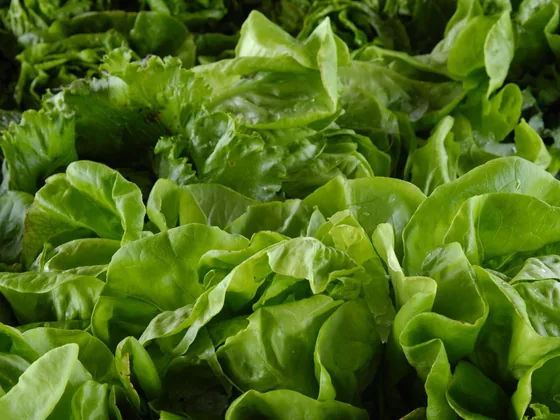
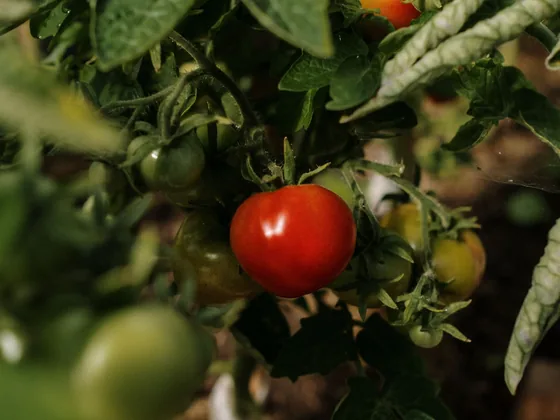
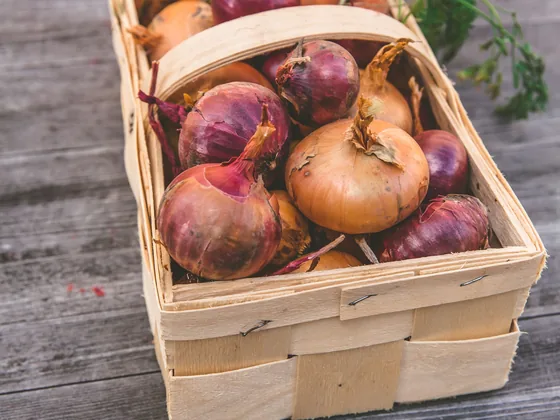
What grows in a Buffalo season
What Is Urban Farming?
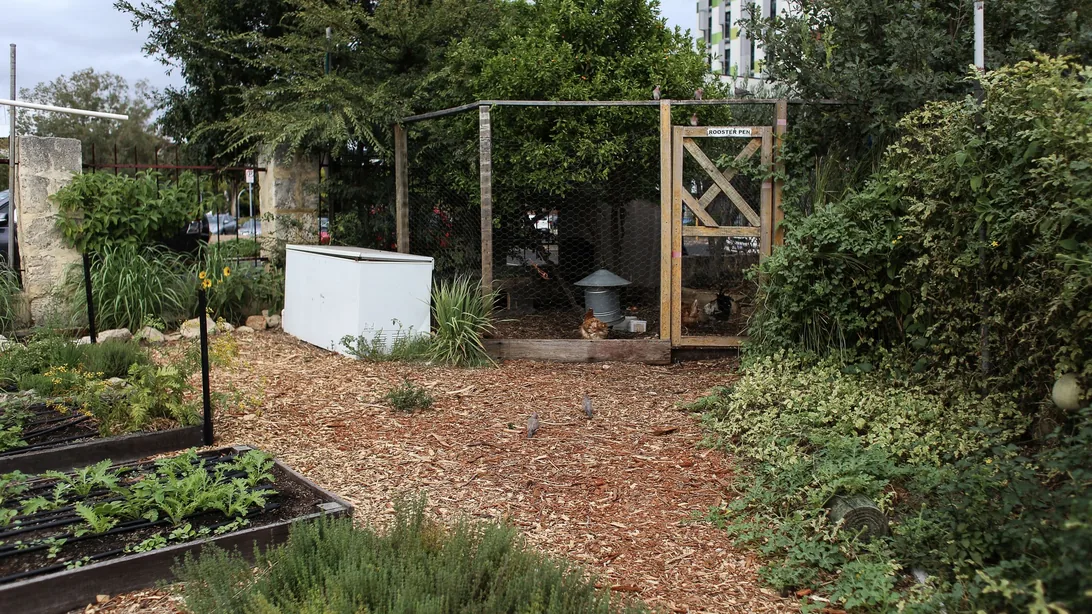
Urban farming means growing food inside the city: on vacant lots, in backyards, on rooftops, and in community garden plots. It ranges from a few raised beds that feed one household to market gardens that sell at weekly stands. The common thread is small space, intensive planting, and short distance between where food grows and where it is eaten.
Benefits of Urban Farming in Buffalo
Buffalo has an unusual amount of room to grow. Decades of population decline left the city with many vacant parcels, and some of them have been turned into gardens and small farms. Growing locally shortens the trip from harvest to plate, turns unused land into cared-for space, and gives neighbors a reason to meet. For households, even a small plot cuts the grocery bill for greens and herbs during the warm months.
Getting Started: First Steps
Start smaller than you think you need: a single raised bed teaches you more in one season than a plan for a whole lot. Check how much direct sun your space gets, since most vegetables want six hours or more. In a city, test or replace your soil before planting food in the ground - raised beds with clean soil are the usual answer on former building lots. Pick a few forgiving crops for the first year, such as lettuce, beans, and zucchini, and add from there.
Key Resources and Organizations
You do not have to figure Buffalo out alone. Cornell Cooperative Extension Erie County runs gardening education and answers growing questions for the region. Grassroots Gardens of Western New York supports a network of community gardens across Buffalo, and the Massachusetts Avenue Project operates a youth-centered urban farm on the West Side. Their sites are the right place to check current programs, since schedules and offerings change.
Seasonal Guide to Urban Farming
The growing season in Buffalo is short and intense. Cold-hardy greens and peas go in first in spring, once the soil can be worked. Frost-tender crops such as tomatoes, peppers, and squash wait until the risk of a late frost has passed, usually well into May. Summer is for watering, weeding, and steady harvests; late summer is the moment to sow a second round of greens for fall. After the first hard frost, the season winds down to garlic planting and putting beds to rest.
Common Challenges and Solutions
The three problems new growers hit most often are soil, shade, and time. City soil can carry debris and contaminants from old buildings, so raised beds with imported soil are the safe default. Shade from houses and street trees limits what you can grow - map the sun before you build anything. And a garden needs steady attention in July even when you are on vacation, which is one reason community plots with shared watering arrangements work well for beginners.
Latest Articles and Updates
The journal section of this guide is where we publish longer articles: profiles of growing methods, seasonal calendars, and deep dives on topics like composting and community gardens. The first piece is already up - a Mediterranean zucchini noodle pasta recipe for the weeks when the garden buries you in squash. New articles are added after the main guide, so check back.
FAQ
Do I need a lot of space to start urban farming?
No. A sunny balcony fits containers of herbs and salad greens, and one 4-by-8-foot raised bed can keep a household in vegetables through the summer. Space matters less than sunlight and regular care.
What are the best crops for beginners in Buffalo?
Lettuce, radishes, bush beans, zucchini, and herbs like basil and parsley are hard to ruin. They grow fast, tolerate beginner mistakes, and fit the short season. Our what to grow guide goes crop by crop.
Are there any local regulations for urban farming in Buffalo?
Rules differ depending on what you want to do - growing vegetables for yourself is treated differently from keeping animals or selling on site. Check current zoning rules with the City of Buffalo before you plan anything commercial, and ask the organizations above about using vacant land.
Spotted an error, or know a Buffalo growing story we should cover? Write to [email protected].
Contact the editors