CSA Share Options: Choosing the Right Size and Type
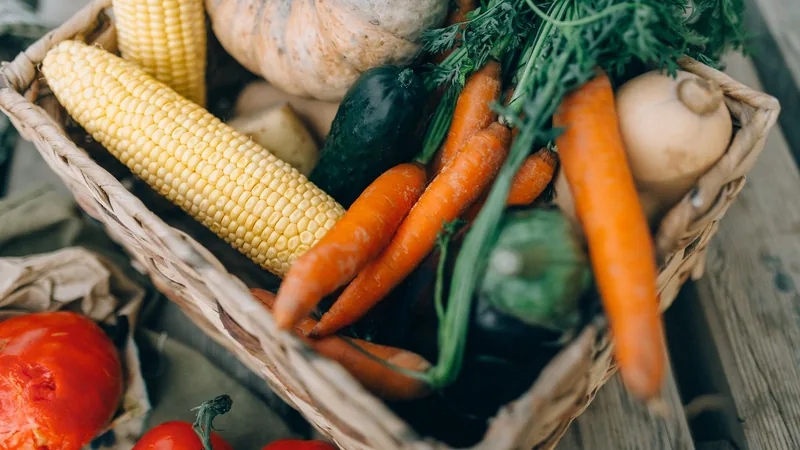
Every CSA sign-up page eventually asks the same question: which share? The names - full, half, market-style - hide real differences in volume, flexibility, and cost per week. This guide breaks down the common share types so you can match one to the way your household actually eats, before you commit a season's money.
Understanding CSA Share Sizes
Share size is about weekly volume, and farms size shares around cooking habits rather than household headcount. A full share generally assumes a kitchen that prepares vegetables most days; a half share assumes several home-cooked meals a week. Half shares come in two mechanical forms - a smaller box every week, or a full-size box every other week - and the difference matters: weekly halves keep you in fresh greens continuously, while biweekly fulls suit households that cook in bursts.
Vegetable-Only Shares
The classic share is vegetables and herbs, and for a first season it is the right default. Expect the box to follow the region's season: lettuces, greens, and radishes early; tomatoes, peppers, beans, squash, and cucumbers at peak; roots, winter squash, and hardy greens as the weather cools. The skill a vegetable share teaches is using what arrives - our what to grow guide doubles as a map of what Western New York boxes contain, since farms here grow the same climate-appropriate crops.
Shares with Eggs, Meat, or Dairy
Many farms extend the model beyond produce, either from their own animals or through partnerships with neighboring farms. Egg add-ons are the most common; meat shares typically arrive as a monthly frozen selection; dairy and bread add-ons exist where a partner produces them. Add-ons are convenient - one pickup, one payment - but price them against buying the same items separately, and ask where each product actually comes from. A good farm answers precisely.
Seasonal Variations
The standard season in this region runs from roughly June to October, but farms increasingly offer more: spring shares built on greenhouse greens and overwintered crops, and fall or winter shares of storage vegetables - roots, cabbage, squash, onions, garlic. Winter shares often shift to biweekly pickup. If a summer share suited you, a storage share is the natural extension; it changes cooking less than people expect, since the contents keep for weeks.
Customizing Your Share
Flexibility is the fastest-growing part of the CSA model. Market-style programs let members assemble their own selection up to a credit limit at pickup; swap-box systems let you trade an item you will not use for one you will; some farms run online ordering where members build each week's box from an availability list. More choice usually means slightly higher cost or shorter pickup windows, which is a fair trade for households with strong preferences - and unnecessary for adventurous cooks who enjoy the surprise.
Comparing Costs and Value
Compare shares on cost per pickup, not headline price: divide the season price by the number of pickups and set that against what your household spends on produce in a normal week. Then weigh the soft factors - pickup convenience, flexibility rules, what happens to missed boxes. A share only delivers value if the food gets eaten, so the right size is the one your kitchen clears every week. When in doubt between two sizes, take the smaller one; you can buy extras at any market stand, but you cannot un-waste a wilted box.
FAQ
What is a typical CSA share size?
A common full share fills a standard produce box with seven to ten items a week at peak season; a half share runs smaller or arrives every other week. Exact contents vary by farm and by month, so ask the farm to describe a June box and a September box.
Can I choose what goes into my share?
In a fixed-box program, mostly no - that simplicity keeps the price down. Market-style and swap-enabled programs exist precisely for members who want choice. If control over contents matters to you, ask about the pickup mechanics before comparing anything else.
Are there payment plans for CSA shares?
Many farms offer installment schedules rather than one upfront payment, and some participate in programs that accept nutrition-assistance benefits, where available. Payment terms are set farm by farm, so ask directly - the sign-up page or member agreement normally spells them out.
See also
Questions, corrections, or story ideas: write to [email protected] or use the contact form.