Farm Dogs: Roles and Best Breeds for Urban Farms
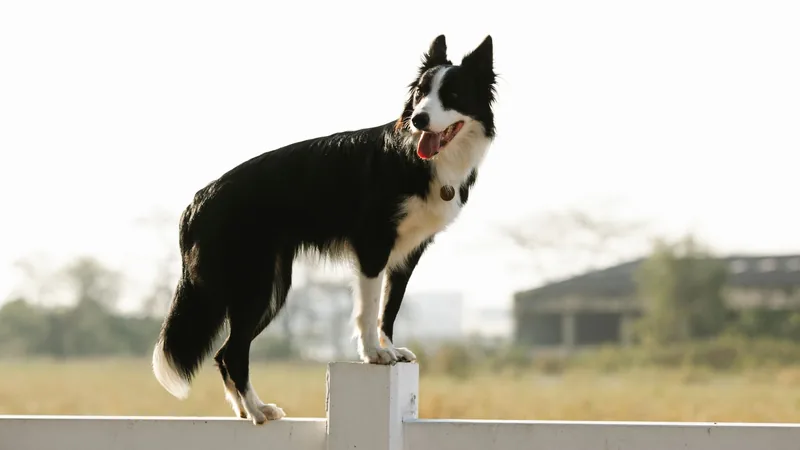
On a working farm, animals are colleagues. Dogs guard produce and deter pests, cats keep rodents out of seed storage, and both change the daily rhythm of the place. This guide covers what farm dogs actually do, which breeds fit small urban operations, and how to bring working animals into a farm without trouble for the neighbors.
Roles of Dogs on Urban Farms
A farm dog earns its keep in several ways. The most common is deterrence: a dog that patrols a fenced lot discourages rabbits, groundhogs, and deer that would otherwise eat a season's lettuce, and its presence alone discourages casual theft from unattended plots. Dogs also alert growers to visitors and to animals moving at night. On an urban farm the job is lighter than livestock guarding on a ranch, but the instincts involved are the same.
Choosing the Right Breed
Match the dog to the actual job and the size of the property. Livestock guardian breeds such as the Great Pyrenees are magnificent at protection but are bred for large territories and independent judgment - on a city lot they are usually too much dog. Herding and working breeds like the Border Collie or Australian Shepherd suit active owners and small acreage, while many mixed-breed dogs from shelters do the deterrence job perfectly well. Energy level and temperament matter more than pedigree.
Training and Socialization
A farm dog in a city has to be good with people, because people are everywhere: volunteers, customers, children cutting across the lot. Socialize early and deliberately. The working essentials are a reliable recall, a solid stay, and calm behavior around visitors and other animals. Teach boundaries physically - fencing first, training second - and never rely on training alone to keep a dog out of a busy street.
Health and Safety Considerations
Working outside brings specific risks: ticks, cuts from tools and fencing, heat in July, and curiosity about compost that contains things a dog should not eat. Keep vaccinations current, check for ticks after work in tall growth, provide shade and water wherever the dog spends the day, and store amendments, bait, and sharp tools out of reach. In Buffalo, remember that city rules on licensing and leashing apply to farm dogs the same as to pets - check the current requirements with the city.
Other Helpful Animals: Cats and More
Cats are the classic answer to rodents around seed and grain storage, and a barn cat that patrols a storage shed can end a mouse problem that traps barely dent. Chickens, where they are allowed, turn kitchen and garden scraps into eggs and eat a surprising number of pest insects; local rules on keeping them vary, so confirm what your lot allows first. Even bees count as farm crew, pollinating squash and berries - though they are a project of their own.
Integrating Animals into Farm Life
Introduce a new animal slowly and on a schedule. A dog needs weeks to learn the property lines, the routine, and who belongs. Keep animals out of production beds - paws and fresh compost piles are a bad mix with food safety - and give each animal a defined home base: a kennel area, a shed, a coop. The farms where animals work well are the ones that planned for them instead of improvising.
FAQ
What are the best dog breeds for protecting livestock?
Traditional livestock guardians - Great Pyrenees, Anatolian Shepherd, Maremma - are the proven choices where there are actual flocks to guard. For a small urban farm without livestock, that level of guarding instinct is unnecessary, and a steady working or mixed-breed dog is the more practical protector.
Are cats effective for rodent control on farms?
Yes, within limits. A cat's main value is sustained pressure: rodents avoid territory an active cat patrols. Cats will not clear an established infestation alone, so combine them with sealed storage and good sanitation.
How much space do farm dogs need?
Less than a ranch, more than a kennel. A fenced yard or lot the dog can patrol, shade, water, and real daily work or exercise cover the basics. High-energy working breeds need a job every day; without one they invent their own, rarely to the farmer's benefit.
See also
Questions, corrections, or story ideas: write to [email protected] or use the contact form.