Best Vegetables to Grow in Buffalo NY
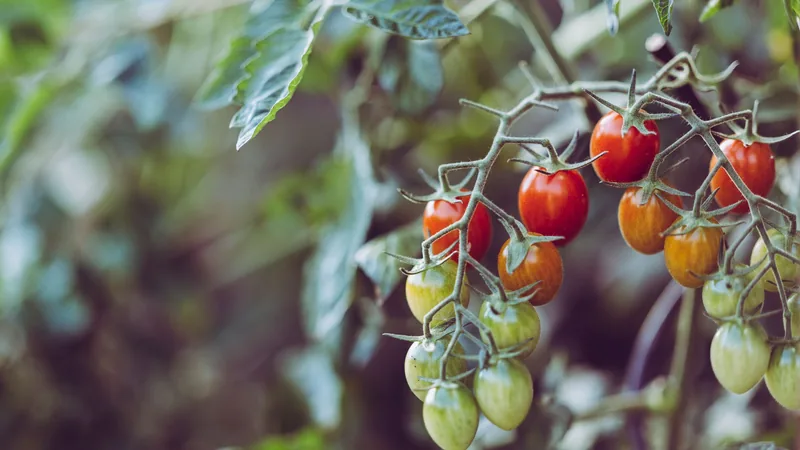
Buffalo rewards growers who pick the right crops. The season is short, spring arrives late, and the lake shapes the weather in both directions - but the summer is warm and the soil, where it is healthy, is productive. This guide covers the vegetables, herbs, and fruit that reliably perform in Western New York, and when to plant them.
Climate and Growing Conditions in Buffalo
Buffalo sits in a cold-winter, warm-summer climate moderated by Lake Erie. The lake delays spring - cold water keeps early weeks cool - and extends fall, with a frost-free window that runs roughly from mid-May to mid-October in most years. Hardiness zones for the area have been listed around zone 6 on recent USDA maps, but for an annual vegetable garden the frost dates matter more than the zone. Confirm your own dates against a local source like Cornell Cooperative Extension Erie County rather than planting by the calendar alone.
Top Vegetables for Buffalo Gardens
The dependable core: zucchini and summer squash (so productive that our zucchini noodle pasta recipe exists in self-defense), bush and pole beans, cucumbers, peas sown early, and cabbage-family crops - broccoli, kale, and cabbage all like the cool shoulders of the season. Tomatoes and peppers do well in the warm months from transplants started indoors or bought locally. Sweet corn is possible with space but earns its square footage poorly in a small plot; most urban growers spend that room on higher-yield crops.
Herbs and Leafy Greens
Greens are the best return on space a city grower gets. Lettuce, spinach, and arugula grow fast in spring and again in fall, and a short row resown every two or three weeks keeps salads continuous. Kale and Swiss chard shrug off cold and keep producing past the first light frosts. Among herbs, parsley, cilantro, dill, and mint handle the climate easily; basil wants real warmth, so plant it with the tomatoes, not the peas.
Root Vegetables and Tubers
Roots suit Buffalo's cool season. Radishes are ready in under a month; carrots and beets take longer but store well and taste sweeter after cool nights. Potatoes are productive even in containers and grow bags, which solves the soil-quality question on old city lots. Garlic goes in the opposite direction from everything else: plant it in October, mulch it, and harvest the following July.
Fruits and Berries
Perennial fruit takes patience but pays every year after. Raspberries and blackcurrants are well suited to the climate and fruit within a year or two of planting. Strawberries produce fast in beds or containers. Apples and sour cherries grow well in the region, but a tree is a decade-scale commitment to pruning and care - plant one because you want the tree, not just the fruit.
- Lettuce and greens
- Tomatoes
- Peas and beans
- Zucchini and squash
- Kale and chard
- Basil and herbs
- Radishes
- Carrots and beets
- Potatoes
- Garlic
- Raspberries
- Strawberries
Seasonal Planting Calendar
Think in four pushes rather than exact dates, and adjust to the year's weather. Early spring, as soon as soil can be worked: peas, spinach, lettuce, radishes, onion sets. After the last frost risk passes in May: tomatoes, peppers, squash, cucumbers, beans, basil. Midsummer: a second sowing of beans plus fall brassicas like kale and broccoli. Late summer into fall: spinach and lettuce again for autumn salads, then garlic in October to close the year.
Tips for Maximizing Yield
Short seasons reward preparation. Start warm-season crops indoors or buy transplants so no May week is wasted. Resow fast crops instead of planting one long row at once. Use mulch to hold moisture through July and row cover to add weeks on both ends of the season. Most of all, keep notes: after one honest season of records you will know which varieties earn their space on your particular lot.
FAQ
What vegetables grow best in Buffalo's climate?
Cool-season crops - greens, peas, roots, and the cabbage family - are the most reliable. Warm-season standards like tomatoes, zucchini, beans, and cucumbers do well in the summer window when started as transplants or sown after the last frost.
When should I start planting in Buffalo?
Hardy crops go in as early as the soil is workable, often April. Frost-tender crops wait until the danger of a late frost has passed, generally around mid-to-late May near the lake. Check current local frost-date guidance before committing tender transplants.
Can I grow tomatoes outdoors in Buffalo?
Yes. Use transplants rather than direct seed, plant after the last frost, and pick varieties that ripen within the season. In a cool year, shorter-season and cherry types ripen dependably; a sheltered, sunny spot against a wall buys extra warmth.
See also
Questions, corrections, or story ideas: write to [email protected] or use the contact form.