CSA Buffalo NY: How Community Supported Agriculture Works
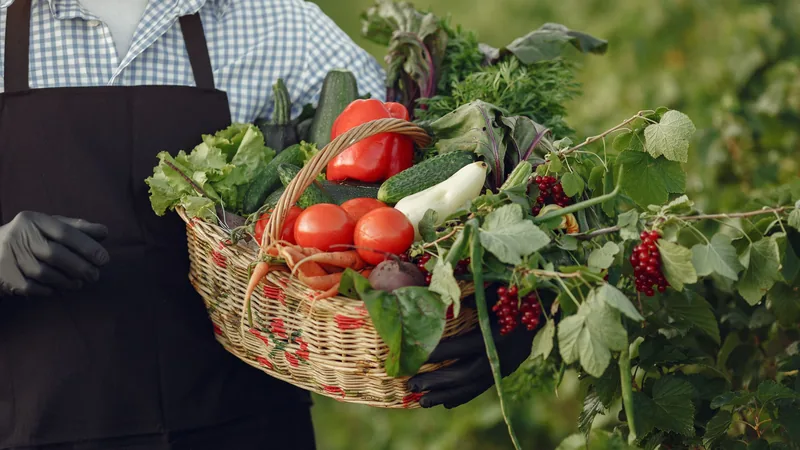
Community supported agriculture - CSA - is the most direct relationship a household can have with a farm short of growing the food itself. You pay a farm at the start of the season; the farm feeds you through it. This guide explains how the model works, what the main share types mean, and how to choose a program around Buffalo that fits how you actually cook.
What Is Community Supported Agriculture?
A CSA is a seasonal agreement between a farm and its members. Members buy a share of the season's harvest in advance, usually in late winter or spring, and receive a regular portion of whatever the farm produces - typically a weekly box or market-style pickup from June into October in this region. The early payment funds seeds, soil, and labor when the farm needs money most, and members share in both the abundance of a good year and the gaps of a hard one.
How CSA Programs Work
Mechanically, most CSAs run on a weekly cycle. The farm harvests, packs shares, and distributes them through on-farm pickup, neighborhood pickup points, or market stands; some deliver. A share's contents follow the season: greens-heavy early boxes, peak-summer variety, storage crops in fall. Many farms send a weekly note listing what is in the box and how to use it. Miss a pickup and the rules vary by farm - some allow rescheduling or donate the box - so read the member agreement before signing up.
Types of CSA Shares
The vocabulary is fairly standard. A full share is sized for a household that cooks most meals at home; a half share suits smaller households or lighter cooks, arriving weekly in smaller volume or in alternating weeks. Beyond vegetables, many farms offer add-ons - eggs, fruit, flowers, bread, or meat from partner farms. Some programs run market-style, where members choose items up to a credit amount instead of taking a fixed box; others offer flexible payment schedules or working shares that trade volunteer hours for part of the cost, where offered.
Choosing the Right CSA for You
Choose on logistics first, produce second. A pickup location and time you can actually make every week matters more than any difference between two good farms. Then match the share to your cooking: an honest household that eats out three nights a week wants a half share, not a full one. Ask each farm what a typical June box and a typical September box contain, whether they run market-style or fixed boxes, and what happens in a crop failure. Farms answer these questions gladly - clear expectations protect them too.
Benefits of Joining a CSA
Members get produce at peak freshness, often harvested the same day, and a season of variety that pushes a kitchen beyond its habits - most members cook vegetables they would never have bought retail. The farm gets working capital in spring and a known customer base, which is why the model has endured. There is a quieter benefit as well: a weekly box recalibrates how you eat toward what the region produces, which is the same shift our seasonal market guide describes from the shopping side.
Finding CSA Programs in Buffalo
Farms across Western New York offer CSA memberships with pickup points in and around Buffalo, and rosters change year to year as farms adjust their programs. The reliable way to find current options: ask vendors at local farmers markets whether they run a CSA, and check with Cornell Cooperative Extension Erie County, which maintains local-food resources for the region. Sign-ups usually open in late winter, and popular programs can fill before the season starts, so look early. For choosing between share sizes, see our share options guide.
FAQ
How much does a CSA share cost in Buffalo?
Prices vary by farm, share size, and season length, so we do not print numbers that would be wrong by next season. Compare each farm's current price against roughly twenty weeks of produce shopping for your household - that is the honest benchmark.
Can I split a CSA share with a friend?
Usually, and many farms suggest it outright for households worried about volume. Some programs formalize splits; informally, two households alternate pickup weeks or divide each box. Confirm the farm's policy first so pickup logistics stay clean.
What if I go on vacation during the CSA season?
Policies differ: some farms let you reschedule or double up another week, some let a friend collect your box, and many donate unclaimed shares. Ask before the season starts - every established CSA has an answer, because every member eventually travels.
See also
Questions, corrections, or story ideas: write to [email protected] or use the contact form.