How to Become an Urban Farmer: Steps and Skills
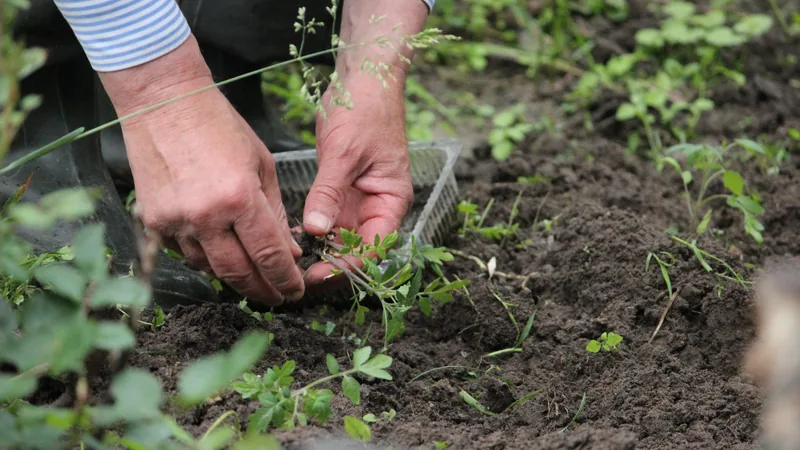
Nobody is born knowing how to run a market garden. Urban farmers usually arrive from somewhere else - a kitchen, an office, a classroom - and build the skills one season at a time. This guide lays out the realistic path: what the work involves, where to learn it, and how people in a city like Buffalo go from a first garden bed to farming as a serious pursuit.
What Does an Urban Farmer Do?
An urban farmer grows food on city land and, in most cases, handles everything around the growing too: planning what to plant and when, starting seedlings, preparing beds, watering, weeding, harvesting, and getting produce to whoever eats it. On a small operation the same person also keeps records, fixes tools, and talks to neighbors. The growing itself is maybe half the job; the other half is logistics and planning.
Education and Training Options
There is no required degree. Many urban farmers learn through a mix of short courses, reading, and deliberate practice. Cooperative Extension programs - in this region, Cornell Cooperative Extension Erie County - run classes on vegetable production, soil health, and season extension. Some universities offer sustainable agriculture certificates, and community organizations host hands-on workshops. The cheapest classroom is still a plot of your own where you test what you learn.
Gaining Hands-On Experience
Experience compounds faster when someone corrects your mistakes early. Volunteering at an established farm or community garden puts you next to people who have already made the errors you are about to make. Seasonal work on a vegetable farm, even part-time, teaches pace and timing that no book covers: how long a bed takes to weed, what a crop looks like two days before it is ready, when to give up on a planting and resow.
Essential Skills for Success
Beyond growing, the skills that decide whether a farm works are mostly unglamorous. Record-keeping: knowing what you planted where, and what it yielded, is the difference between guessing and improving. Observation: catching pests and disease in the first week, not the fourth. Physical pacing: farming rewards steady hours more than heroic weekends. And if you ever sell anything, basic bookkeeping and the discipline to price honestly against your real costs.
Finding Land and Resources
In Buffalo the land question is easier than in most cities because vacant parcels exist, but access still takes legwork. A community garden plot is the lowest-commitment entry. For something bigger, groups like Grassroots Gardens of Western New York support garden projects on city lots, and the city itself handles sales and leases of vacant land - the rules change, so check current programs directly before planning around a parcel.
Building a Network and Community
Farming alone is slow. Other growers are the fastest source of region-specific knowledge: which varieties actually ripen here, where to get compost in bulk, what sells at which market. Markets, workshops, and garden workdays are where those relationships start. A grower who shows up to help at someone else's harvest usually gets the favor returned at their own.
Turning Farming into a Career
Most people should treat the first paid season as an experiment, not a leap. Common paths in a city setting include selling at a farmers market stand, running a small CSA for a handful of households, growing specialty crops like salad greens or herbs for restaurants, or combining part-time farming with teaching and workshop income. Write down your costs from day one; small farms fail on untracked expenses more often than on bad crops.
FAQ
How long does it take to become an urban farmer?
You can grow a respectable first garden in one season. Running a small farm competently - planning successions, managing pests, selling the surplus - usually takes three to five seasons of real practice. The timeline shortens if you work alongside experienced growers.
Do I need a degree in agriculture?
No. Formal agriculture programs help, but short courses, extension workshops, and supervised experience cover the same ground for a small urban operation. What a degree cannot replace - and what matters most - is seasons of hands-on growing.
Can I start urban farming part-time?
Yes, and most people should. A part-time start on a plot or a few beds lets you learn the rhythm of a season while keeping your income. Scale up only when your results, not your enthusiasm, say so.
See also
Questions, corrections, or story ideas: write to [email protected] or use the contact form.