Farmers Markets Buffalo NY: Where to Find Local Produce
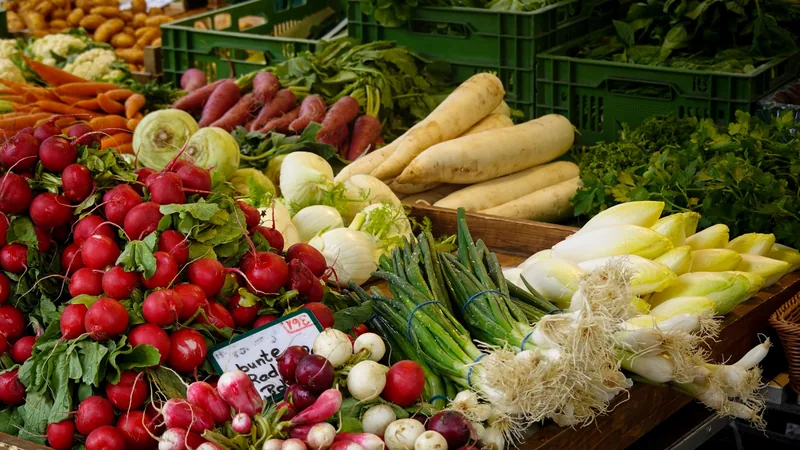
Buffalo's local food scene runs through its markets. From long-standing neighborhood farmers markets to seasonal farm stands, the region offers direct ways to buy from the people who grew the food. This guide explains how the market landscape works, what to expect when you go, and how to shop it well - with the specifics left to each market's official schedule.
Overview of Buffalo Farmers Markets
A farmers market is a recurring gathering of vendors selling directly to the public: produce in season, plus eggs, meat, baked goods, preserves, and crafts depending on the market. Buffalo and its suburbs host a range of them - some are large weekend fixtures with dozens of vendors, others are small weekday markets serving one neighborhood. Most run outdoors from late spring through fall, with the schedule following the growing season.
Major Markets and Their Locations
The best-known markets cluster around the city's active commercial districts and parkways - the Elmwood area's Saturday market is a long-running example - while the historic Broadway Market on the East Side operates as an indoor public market with a deep history in the city's Polish community. Suburbs and nearby towns run markets of their own. We deliberately do not print addresses and hours here: they shift year to year, so check each market's own site or social pages for the current season before you go.
Seasonal and Year-Round Options
The outdoor market season in Western New York typically opens in May or June and winds down around October, peaking in late summer when tomatoes, corn, and stone fruit all arrive at once. Outside those months the options narrow but do not vanish: indoor markets continue, some markets run winter editions, and many farms sell storage crops, eggs, and preserved goods through farm stores or pre-order pickups. Winter shopping takes more planning and offers less variety - roots, greens from protected growing, and pantry goods.
What to Expect at Each Market
Markets differ in character more than people expect. A large destination market has range: multiple produce vendors, prepared food, music, crowds. A small neighborhood market might be six tables and a loyal clientele, with vendors who remember what you bought last week. Payment practices vary by vendor - many take cards, some are cash-only, and many New York markets participate in nutrition-assistance programs - so carry some cash and check the market's own information for current payment details.
Tips for Shopping at Farmers Markets
Go early for selection or late for deals, not both. Walk the whole market once before buying anything, since the same crop often appears at several stands at different quality and price. Ask what is at peak this week - vendors answer honestly because they want you back. Bring your own bags, and if a vendor is slammed, buy first and chat later. Finally, ask growers how to store what you bought; nobody knows better.
Supporting Local Farmers
Buying at a market keeps more of each food dollar with the grower than retail does, but support goes beyond the transaction. Showing up in June and September, not just peak August, is what keeps small vendors viable through the season. If you like a farm's produce, ask whether they run a CSA or take restaurant and wholesale orders - steady commitments matter more to a small farm than any single market day. Our CSA guide explains how those programs work.
FAQ
Which farmers markets in Buffalo are open year-round?
Indoor public markets can operate year-round, and some seasonal markets add winter dates. The honest answer changes annually, so check the current schedule of any market you plan to visit - winter hours in particular shift often.
Do Buffalo farmers markets accept credit cards?
Many vendors do, but it is vendor-by-vendor rather than a market-wide rule, and small stands may be cash-only. Markets that run token or matching programs post the details on site. Bring a backup payment method.
Are there organic options at Buffalo farmers markets?
Yes, though labels vary. Certified-organic farms will say so; other small farms grow with low-spray or organic-style practices without holding certification, because certifying is costly at their scale. Ask the grower directly how they manage pests and soil - at a market, the person at the table usually knows because they did the work.
See also
Questions, corrections, or story ideas: write to [email protected] or use the contact form.