Wholesale Local Produce in Buffalo
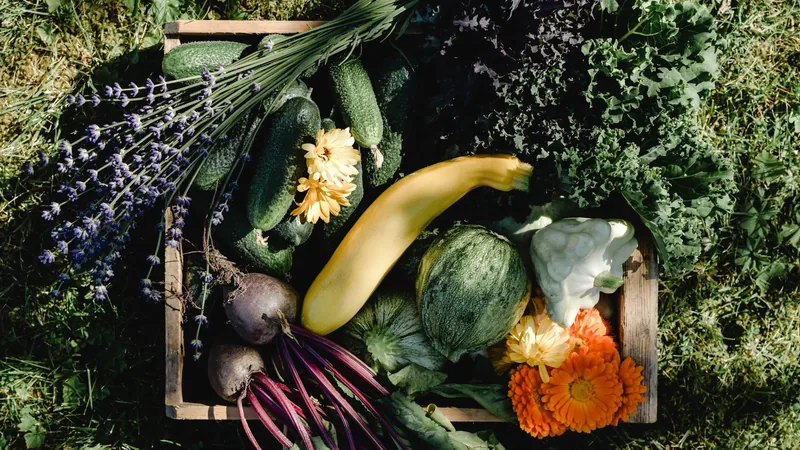
Behind every restaurant menu that names a local farm sits an unglamorous supply arrangement: weekly availability lists, delivery windows, standing orders. This guide explains how wholesale buying of local produce works in a city like Buffalo - how restaurants and shops connect with farms, what both sides need from the deal, and why the logistics decide whether it lasts.
Understanding Wholesale Local Produce
Wholesale simply means buying in volume for resale or for a kitchen, at prices below retail. With local produce, the trade is different from ordering off a national distributor's catalog: supply follows the season, quantities are finite, and quality can be exceptional because food is harvested close to delivery. A restaurant buying wholesale from a farm commits to working with what the region actually produces each month - that constraint is the point, not a flaw.
How Restaurants Source from Local Farms
The typical rhythm is a weekly availability list. The farm sends buyers what it will have - crops, grades, quantities, prices - chefs reply with orders, and delivery or pickup happens on set days. Relationships usually start small: a chef buys one crop they care about, sees how the farm communicates and delivers, and widens the order over a season. Menus built around rotating seasonal items handle local sourcing far better than fixed menus that need the same ingredient every week of the year.
Working with Distributors and Cooperatives
Not every kitchen can manage five separate farm relationships, which is where aggregation comes in. Food hubs and cooperative distributors collect produce from multiple local farms and deliver it on one truck with one invoice, trading a share of the margin for logistics. Regional distributors in Western New York also carry local items alongside conventional stock. For buyers, hubs simplify ordering; for small farms, they open accounts the farm could not serve alone. Which aggregators currently operate and what they carry changes - ask farms at a market who moves their wholesale volume.
Building Relationships with Farmers
Good wholesale relationships are built on predictability in both directions. Buyers earn priority by ordering consistently, paying on time, and accepting the reality of farming - a hailstorm is nobody's fault. Farms earn loyalty by being honest about availability and quality, and by telling a chef before the delivery that the lettuce took heat damage, not after. A standing order for a modest quantity every week is worth more to a farm than a large order that appears and disappears.
Logistics and Delivery Considerations
Logistics kill more farm-to-restaurant arrangements than price does. The working details: delivery days and windows that match kitchen receiving hours, cold chain from field to door, clear standards for what gets rejected and how credits work, and invoicing the restaurant's bookkeeping can digest. Minimum order sizes exist because a delivery run costs the farm real time. Buyers close to an existing route get better terms than those who require a special trip - geography is part of the deal.
Benefits of Buying Local for Businesses
For a food business the case is practical, not sentimental. Freshness converts directly to shelf life: produce harvested a day before delivery lasts longer than produce that spent a week in transit. Named farms on a menu signal care and justify price points. Short supply chains also respond faster - a chef can request a specific variety or size and actually get it next season. The costs are real too: more coordination, seasonal gaps, weather risk. Kitchens that treat those as planning constraints rather than surprises are the ones that make local sourcing stick.
FAQ
How can my restaurant start buying from local farms?
Start where the farms already are: walk a farmers market, taste, and ask vendors which of them sell wholesale - most will name their terms on the spot. Begin with one or two crops on a weekly order, prove you are a reliable account, then expand.
What are the minimum order quantities for wholesale?
There is no universal number; each farm sets minimums that make its delivery run worthwhile, and hubs set their own per-order thresholds. Expect smaller minimums from a farm you pick up from directly, larger ones for delivery. Ask - the answer is usually one sentence.
Are there local food hubs in Buffalo?
Aggregators serving Western New York exist, and the roster changes as organizations launch and reorganize. Rather than relying on a printed list, ask farms at local markets who currently aggregates wholesale produce in the region, or check with Cornell Cooperative Extension Erie County, which tracks the local food system.
See also
Questions, corrections, or story ideas: write to [email protected] or use the contact form.